
Easy Chocolate Biscuits (Brownie Cookies)
This post may contain affiliate links.

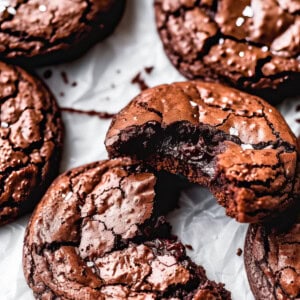
These easy chocolate biscuits have crisp edges, soft fudgy centres and the rich chocolate flavour of a brownie in cookie form. Made with melted dark chocolate and cocoa powder, they’re ready in about 30 minutes and are perfect when you want an easy baking recipe with maximum chocolate payoff.
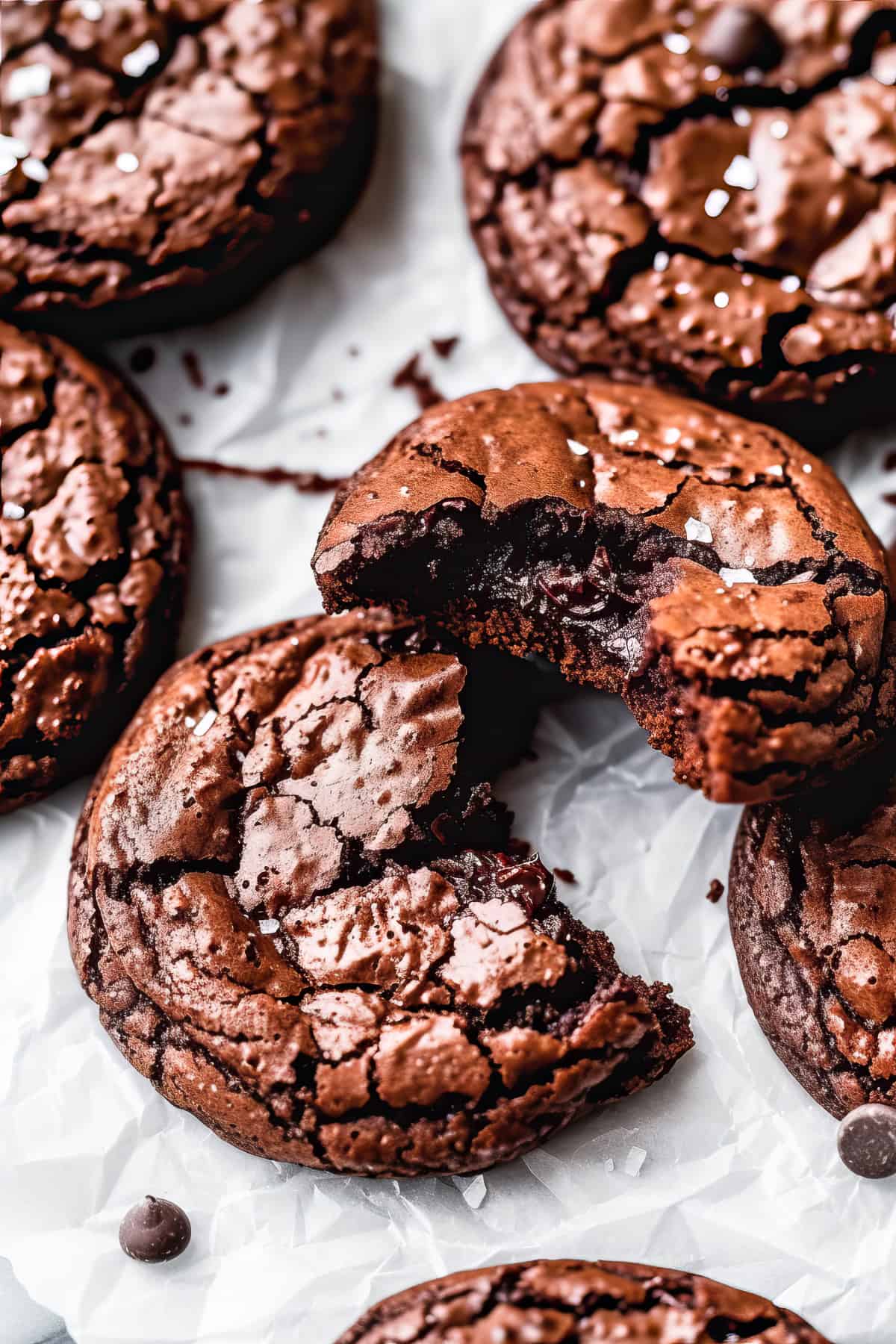
The whipped eggs and sugars give the biscuits their shiny, crackly tops, while the brown sugar keeps the centres chewy and soft. If you love rich chocolate bakes, try my brownies or chocolate chunk cookie bars next.
Why this Recipe works
Ingredients required
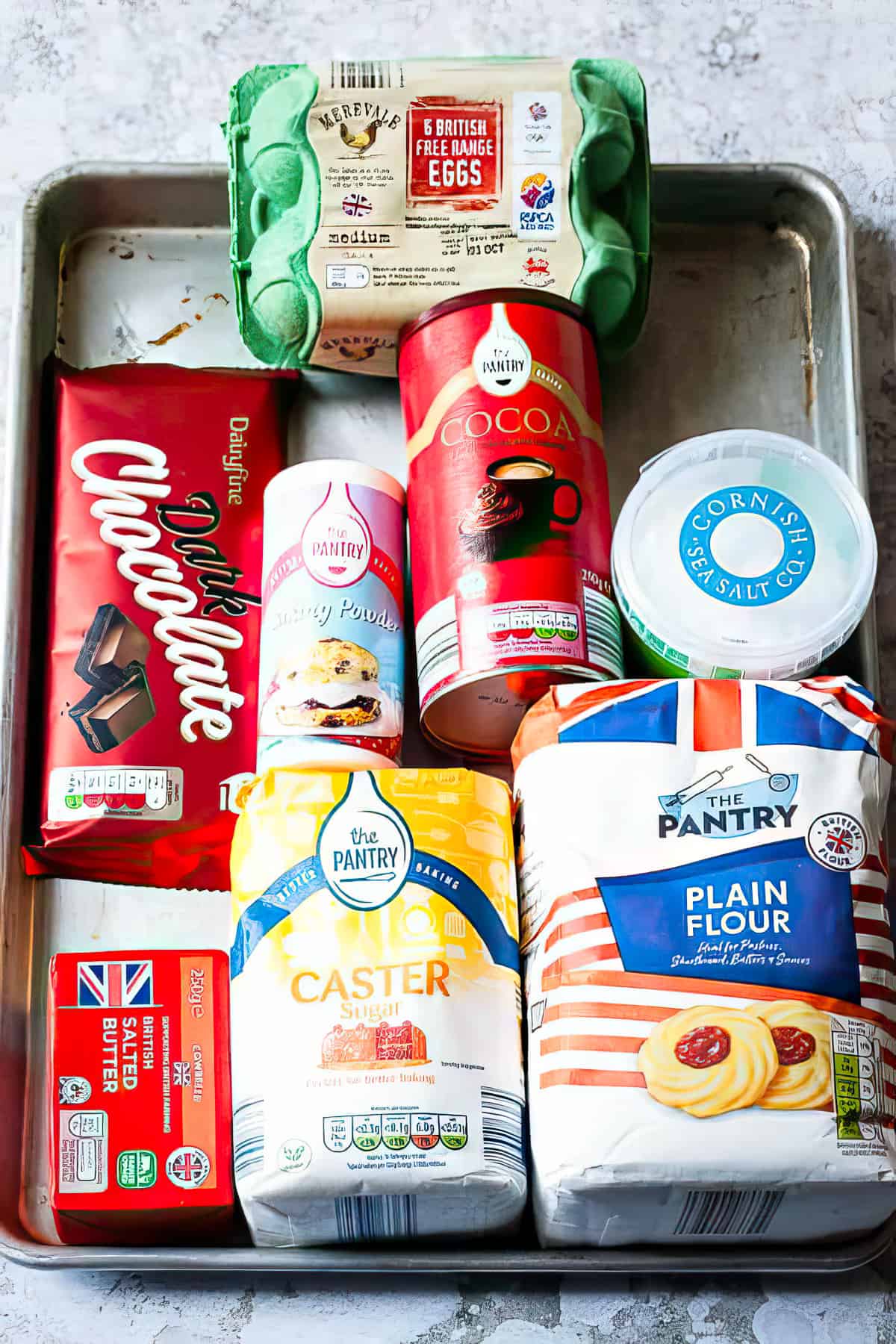
- Dark chocolate: Melted dark chocolate gives these biscuits their rich, fudgy texture and deep chocolate flavour. I prefer a dark chocolate around 50–70% cocoa solids so it’s intense without becoming too bitter.
- Butter: Melted with the chocolate to create the rich base of the biscuit dough. I use unsalted butter so I can control the amount of salt in the recipe.
- Caster sugar and light brown sugar: Using both gives you the best texture. Caster sugar helps create the delicate crackly top, while brown sugar adds moisture and keeps the centres soft and chewy.
- Eggs: The eggs are whipped with the sugars until thick, pale and fluffy. This incorporates air into the mixture and helps create the shiny, brownie-style tops.
- Cocoa powder: Adds another layer of chocolate flavour alongside the melted dark chocolate. Use unsweetened cocoa powder rather than drinking chocolate.
- Plain flour: You only need a relatively small amount of flour, which is what keeps these biscuits soft and fudgy rather than cakey. All-purpose flour is the US equivalent.
- Baking powder: Gives the biscuits just enough lift while still keeping the centres dense and brownie-like.
- Salt: A small amount in the dough balances the sweetness. I also like to sprinkle a little flaky sea salt over the top before baking for contrast.
See the recipe card at the bottom of the post for exact quantities and full instructions.
How to Make Chocolate Biscuits
Preheat the oven to 160°C (325°F) fan and line a large baking tray with baking paper.
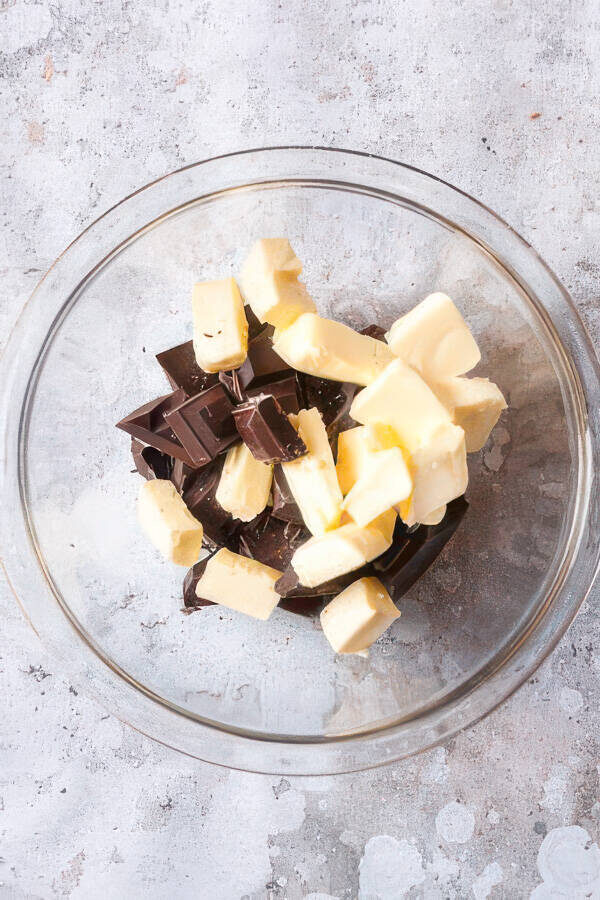
- Prepare the chocolate and butter: Add the chopped dark chocolate and butter to a heatproof bowl. Set it over a pan of gently simmering water, making sure the bottom of the bowl doesn’t touch the water.
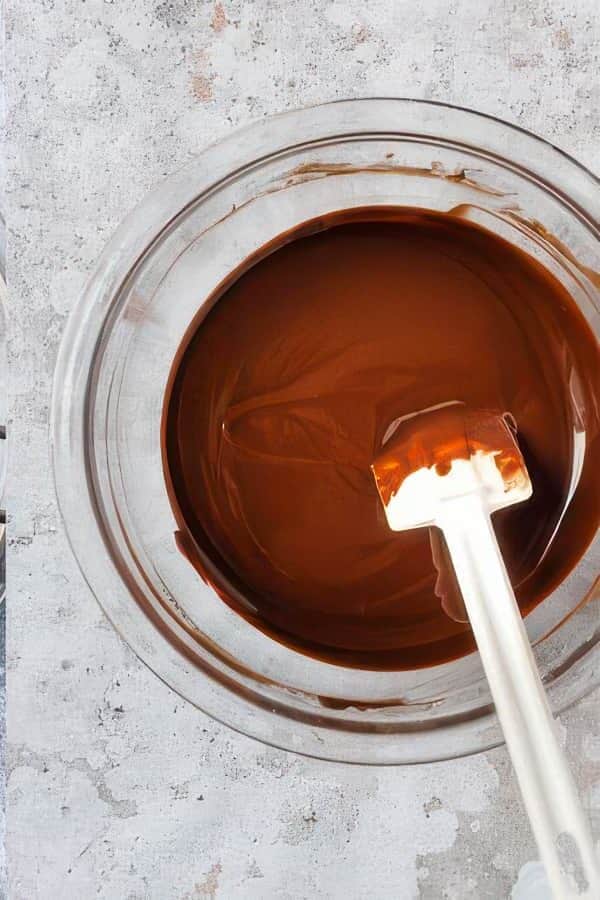
- Melt until smooth: Stir the chocolate and butter occasionally until completely melted and glossy. Remove from the heat and leave to cool slightly while you prepare the egg mixture.
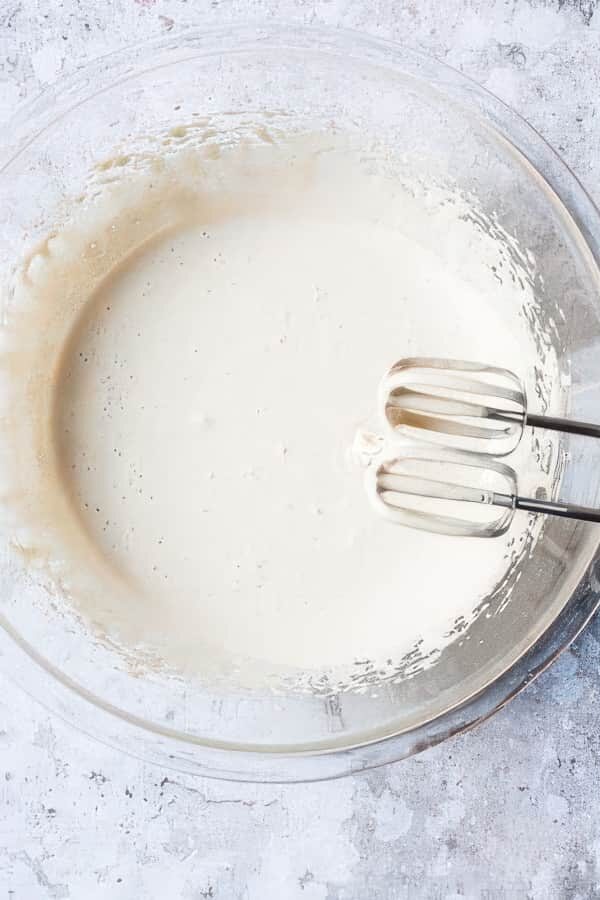
- Whip the eggs and sugars: Add the eggs, caster sugar and light brown sugar to a separate bowl. Beat with an electric hand whisk on high speed until the mixture is noticeably pale, thick and fluffy. This aeration helps create the shiny, crackly tops.
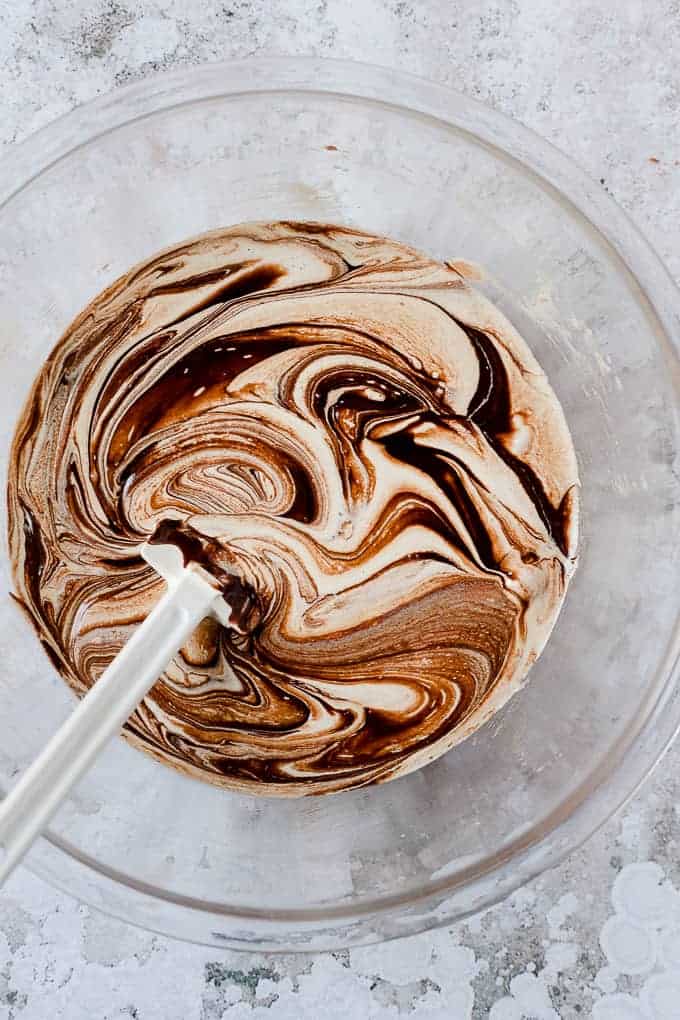
- Combine the wet ingredients: Pour the slightly cooled chocolate mixture into the whipped eggs and sugars. Gently whisk until completely combined, taking care not to knock out too much of the air.
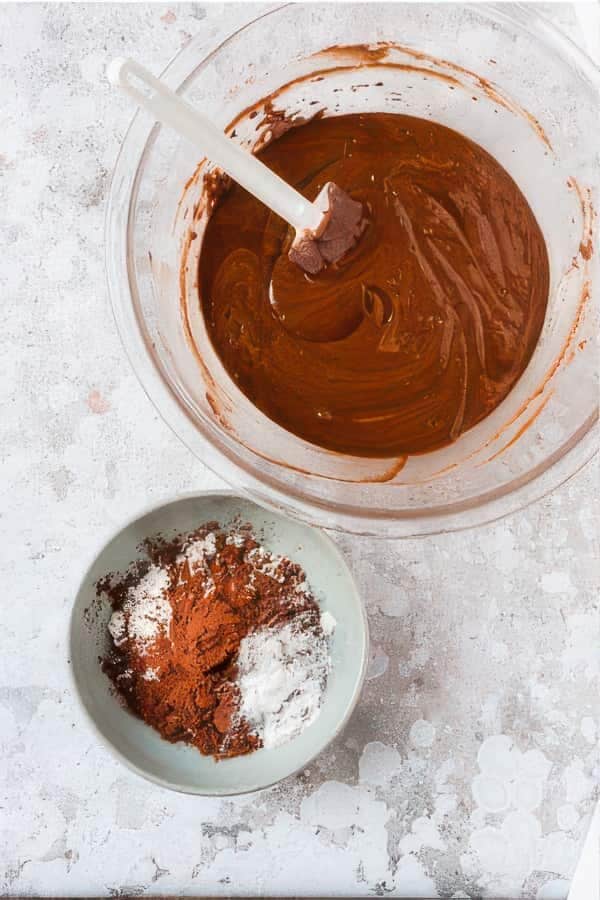
- Fold in the dry ingredients: Sift in the cocoa powder, plain flour, baking powder and salt. Fold gently until just combined and no dry streaks remain. The mixture should be wet and sticky rather than firm like traditional cookie dough—this is exactly right.
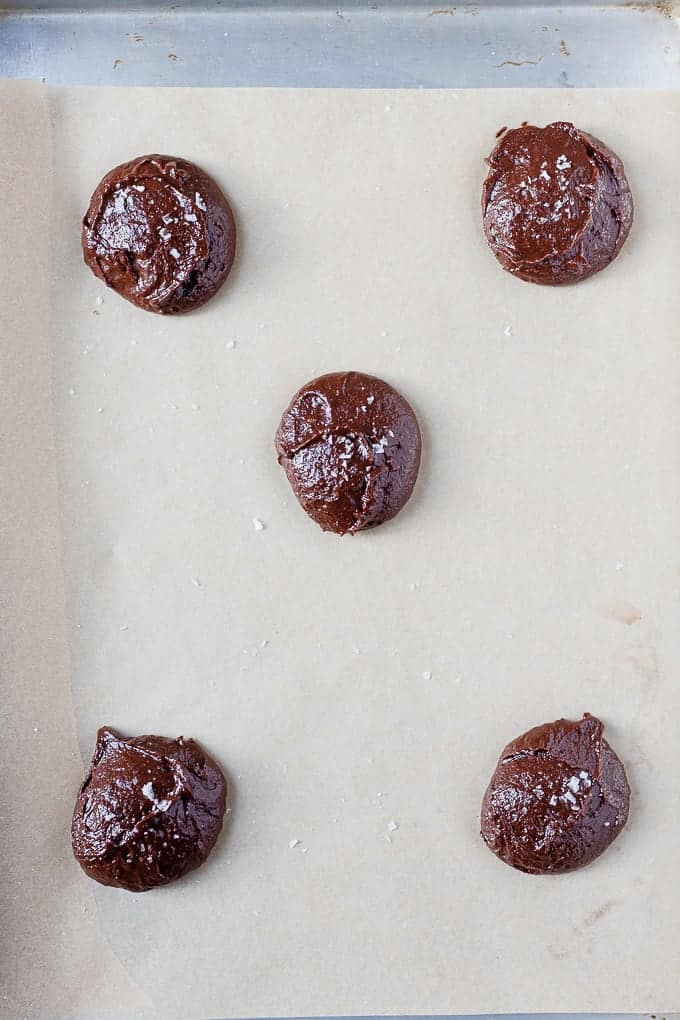
- Scoop the biscuits: Portion the mixture onto the prepared baking tray using an ice cream scoop or large spoon. Leave plenty of space between each portion because the biscuits spread considerably as they bake.
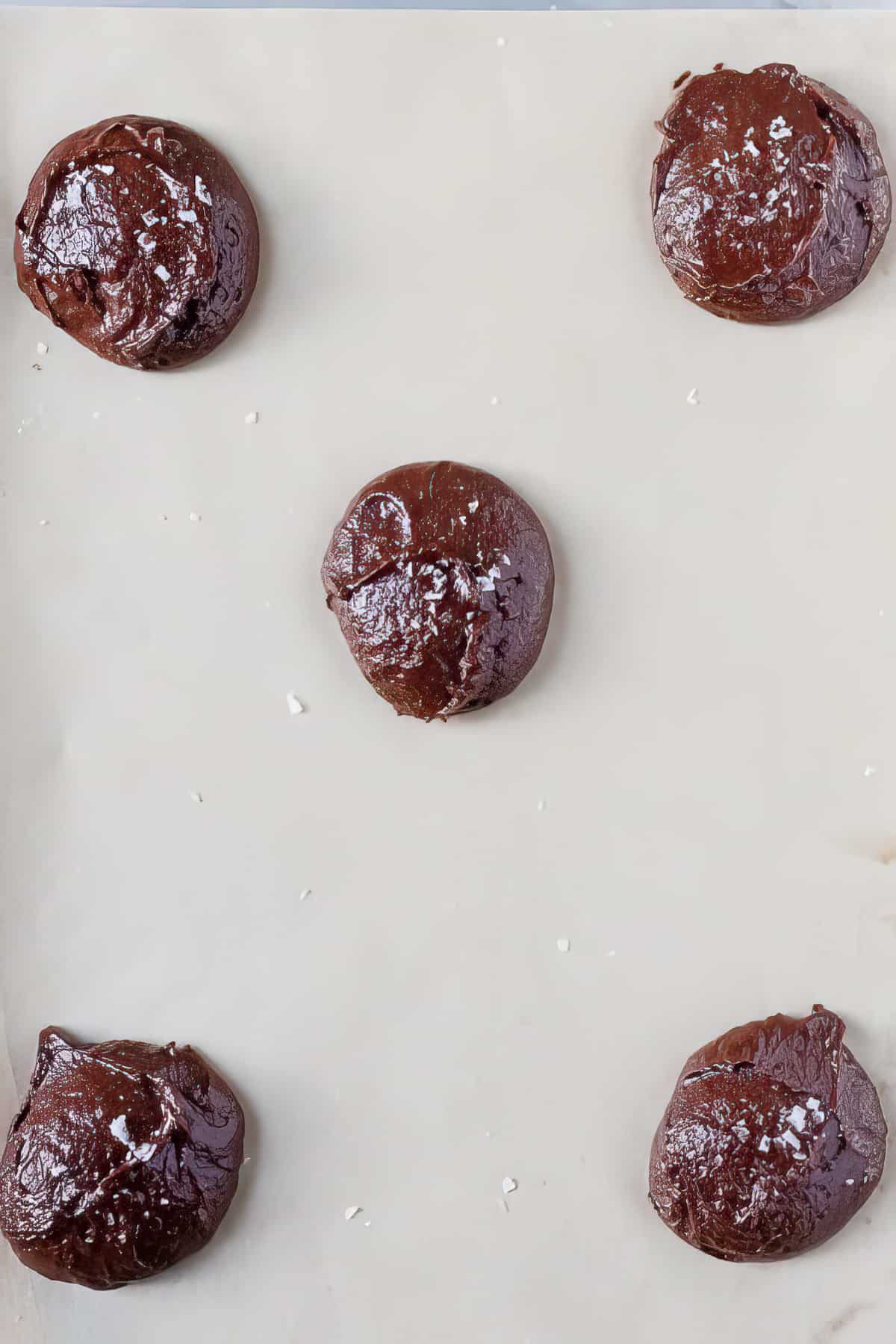
- Bake: Sprinkle a pinch of sea salt over each biscuit for an extra flavour contrast, if desired. Bake in the preheated oven for about 12 minutes. Check towards the end of baking—the biscuits should have soft centres with firm edges.
- Leave them to set: Remove the tray from the oven and leave the biscuits exactly where they are for about 10 minutes. They’ll be very soft at first but will continue to set on the hot tray, giving you crisp edges and soft, fudgy centres before you transfer them to a wire rack.
Variations and Substitutions
- Chocolate: Use dark or semi-sweet chocolate for this recipe. I don’t recommend using milk chocolate because its higher sugar and different cocoa butter content changes both the sweetness and texture of the biscuits. For the best rich, fudgy result, stick with dark chocolate around 50–70% cocoa solids.
- Add-ins: Fold through up to 100g of chopped walnuts, pecans, dried cherries or extra dark chocolate chunks just before scooping the biscuits.
- Gluten-free: A good 1:1 gluten-free baking flour can be used instead of plain flour. Choose a blend designed for baking that contains xanthan gum.
- Sea salt: The flaky sea salt is optional, but I highly recommend it. It balances the sweetness and makes the chocolate flavour taste even richer.
- Reducing the sugar: I don’t recommend significantly reducing the sugar. The caster and brown sugars aren’t only there for sweetness—they also affect the spread, crackly tops, crisp edges and soft centres, so reducing them substantially will change the finished texture.

Chef’s Guide: Expert Tips
Here are a few simple tips, drawn from my training and kitchen experience, to help you get the best results every time.
- Whip the eggs and sugars properly: Don’t rush this step. Beat them until the mixture is noticeably pale, thick and fluffy. The incorporated air helps give the biscuits their characteristic shiny, crackly brownie-style tops.
- Let the melted chocolate cool slightly: The chocolate and butter should still be fluid but not piping hot when you add them to the whipped eggs. Adding very hot chocolate can knock out some of the air you’ve just worked to incorporate.
- Don’t overmix once the flour is added: Fold the dry ingredients in only until no streaks of flour remain. Overmixing develops the gluten and can make the biscuits tougher rather than soft and fudgy.
- Expect a wet dough: This mixture is much looser and stickier than traditional biscuit dough. Don’t be tempted to add extra flour to make it easier to handle—the wet consistency is part of what creates the soft, brownie-like centre.
- Give them plenty of room: These biscuits spread considerably in the oven, so leave generous space between each scoop. If your baking tray is small, bake them in batches rather than crowding them.
- Take them out while the centres are still soft: The edges should look set and the tops crackled, but the centres should still look slightly underdone. Waiting until the middles look completely baked will give you a firmer, drier biscuit.
- The 10-minute tray rest is part of the bake: Don’t try to move the biscuits straight from the oven. They’ll be very delicate at first and continue to set from the residual heat of the tray, giving you crisp edges with a soft, chewy centre.
How to Store Chocolate Biscuits
- Room temperature: Once completely cool, store the biscuits in an airtight container at room temperature for up to 1 week. Place baking paper between layers to stop them sticking together.
- Freezer: Freeze the baked biscuits in an airtight container or freezer bag for up to 3 months. Separate the layers with baking paper and defrost at room temperature before serving.
- To refresh: If you want that just-baked texture again, warm a biscuit in a 150°C oven for about 5 minutes. The centre will soften as the chocolate warms.
Leftover chocolate biscuits also make brilliant ice cream sandwiches. Let vanilla ice cream soften slightly, sandwich a scoop between two biscuits and freeze until firm.
FAQs
I don’t recommend it. Milk chocolate has a different balance of cocoa solids, cocoa butter and sugar, which makes the biscuits much sweeter and changes their finished texture. For the rich, fudgy result this recipe is designed for, use dark or semi-sweet chocolate.
I don’t recommend significantly reducing it. The sugar isn’t only there for sweetness—it affects moisture, spread, browning and structure and helps create the crisp edges, crackly tops and soft centres. Reducing it substantially will give you a different biscuit.
Use baking powder. This recipe was developed using Dutch-process cocoa powder, which is neutral rather than acidic, so baking powder provides the leavening needed for the recipe. Don’t substitute bicarbonate of soda without reformulating the other ingredients.
They should be. The biscuits are ready when the edges are set and the tops are crackled but the centres still look slightly soft. Leave them on the baking tray for 10 minutes after they come out of the oven; the residual heat finishes setting the centres without overbaking them.
Easy Chocolate Biscuits (Brownie Cookies)
Ingredients
- 200 g 7 oz dark chocolate, roughly chopped
- 125 g ½ cup unsalted butter
- 150 g ¾ cup caster sugar
- 100 g ½ cup light brown sugar
- 2 large eggs
- 30 g ¼ cup Dutch-process cocoa powder
- 130 g 1 cup plain flour (all-purpose flour)
- 1 teaspoon baking powder
- ½ teaspoon salt
- Flaky sea salt, for topping (optional)
Instructions
- Prepare: Preheat the oven to 160°C fan (320°F) and line a large baking tray with baking paper.
- Melt the Chocolate: Place the dark chocolate and butter in a heatproof bowl over a pan of gently simmering water, making sure the bowl doesn't touch the water. Stir occasionally until completely melted and smooth, then remove from the heat and leave to cool slightly.
- Whip the Eggs and Sugars: Add the eggs, caster sugar and light brown sugar to a large bowl. Beat with an electric hand whisk on high speed until pale, thick and fluffy.
- Add the Chocolate: Pour the slightly cooled chocolate and butter mixture into the whipped eggs and sugars. Whisk gently until completely combined.
- Add the Dry Ingredients: Sift in the cocoa powder, flour, baking powder and salt. Gently fold until just combined and no dry streaks remain. The mixture will be wet and sticky rather than firm like traditional cookie dough.
- Scoop the Biscuits: Portion the mixture onto the prepared tray using an ice cream scoop or large spoon, leaving plenty of space between each biscuit because they will spread as they bake.
- Bake: Sprinkle with flaky sea salt, if using, and bake for about 12 minutes. The biscuits are ready when the tops are crackled and the edges are set but the centres still look soft.
- Cool: Leave the biscuits on the baking tray for 10 minutes before carefully transferring them to a wire rack. They will be very soft when they first come out of the oven and will continue to set as they cool.
Notes
- Chocolate: Use dark or semi-sweet chocolate for the best flavour and texture. I don’t recommend milk chocolate for this recipe.
- Dough consistency: The mixture should be wet and sticky. Don’t add extra flour to make it resemble traditional cookie dough.
- Spreading: Leave plenty of space between the biscuits. Bake in batches if necessary rather than overcrowding the tray.
- Doneness: The centres should still look soft when the biscuits come out of the oven. They continue to set during the 10-minute rest on the baking tray.
- Storage: Once completely cool, store in an airtight container at room temperature for up to 1 week.
Nutrition
If you tried any of these recipes, please let me know in the comments below, and leave a star rating while you’re there!
For more recipe ideas, follow us on Pinterest, Facebook, and Instagram, and join our exclusive Facebook group.
For meal planning help, check out our weekly Aldi-only meal plans, free for subscribers.
Craving more comfort food? Visit our sister site, Salted Mint, for easy, delicious recipes with everyday ingredients.


Meet the Chef!
Hi, I’m Debs, a Cordon Bleu-trained chef dedicated to helping you create unforgettable meals on a budget. Discover more about my journey and dive into a world of foolproof recipes designed for those who love to eat well without overspending.



Hi,
Can I reduce the amount of sugar by half as I prefer less sweetness. Will it affect the structure and texture?
Thanks
Irene
Hi Irene. Unfortunately the sugar plays a crucial role in this recipe for structure. It provides sweetness and moisture, tenderises the dough by inhibiting gluten and starch development, and helps with browning and flavour through caramelisation and Maillard reactions. Sugar also increases cookie spread by melting in the oven, and recrystallises once cooled helping to create a crispy texture. And these cookies have a soft and chewy, almost gooey centre and a slightly crisp exterior and you just won’t get that same result by reducing the sugar. Hope this helps. If you’ve got any other questions, just let me know. 🙂
Lovely simple biscuit recipe.
So happy you loved it! Thank you so much for taking the time to leave a comment. It’s so appreciated! 🙂
If I used semi sweet chocolate chips instead of chocolate chunks and then used dark chocolate cocoa powder… would that still work alright?
Hey Ashley. That should work out just fine! Enjoy! 🙂
this is a really well organized recipe and the brownie cookies turned out amazing
So happy you loved it! Thank you so much for taking the time to leave a comment. It’s so appreciated! 🙂
Love them
So happy you love this recipe! And thank you for leaving a comment. It’s so appreciated! 🙂
It was really good My whole family loved them
Amazing! So happy they’re such a hit! Thank you for taking the time to leave a comment. It’s so appreciated! 🙂
Can you please tell me if baking powder or baking soda is to be used? The recipe asked for baking powder but I heard that in recipes with cocoa, baking soda is used. BTw your recipe instructions are AWESOME!
So happy you love the recipes. Baking powder and baking soda with cocoa powder both function as leavening agents in baking, but they interact differently with acidic ingredients like cocoa powder. Baking powder is a pre-mixed leavener containing both an alkali (like baking soda) and an acid (like cream of tartar), while baking soda needs an acid to activate. Natural cocoa powder is acidic and reacts with baking soda to create carbon dioxide and lift, whereas Dutch-processed cocoa powder is neutral and should be used with baking powder. This recipe was created using Dutch process cocoa powder so requires baking powder. Let me know how they turn out. 🙂
Hi! Can I sub the butter for coconut oil?!
Not recommended as it will change the texture of the biscuits.
hiii can these be made without the chocolate chunks as we dont have that on hand right now!! what could we substitute it with? more flour/ cocoa flour?
Hi Cherry, this recipe can only be made with the chocolate chunks. They’re integral to the structure of the recipe. What you can make instead is my chocolate chunk cookies, https://savvybites.co.uk/soft-chewy-chocolate-chip-cookies/
You would leave out the chocolate chunks from the recipe and substitute about 3 tablespoons of the flour for cocoa powder to end up with cookies that are chocolate all the way through without having any chocolate chunks. I hope that helps! Let me know how it goes. 🙂
How many eggs do we need? The recipe doesn’t mention that. Thanks!
I’m so sorry! It’s 2 eggs. Thanks for catching that. The recipe has been updated! 🙂