Easy Honey Glazed Salmon Tray Bake With Potatoes
This post may contain affiliate links.
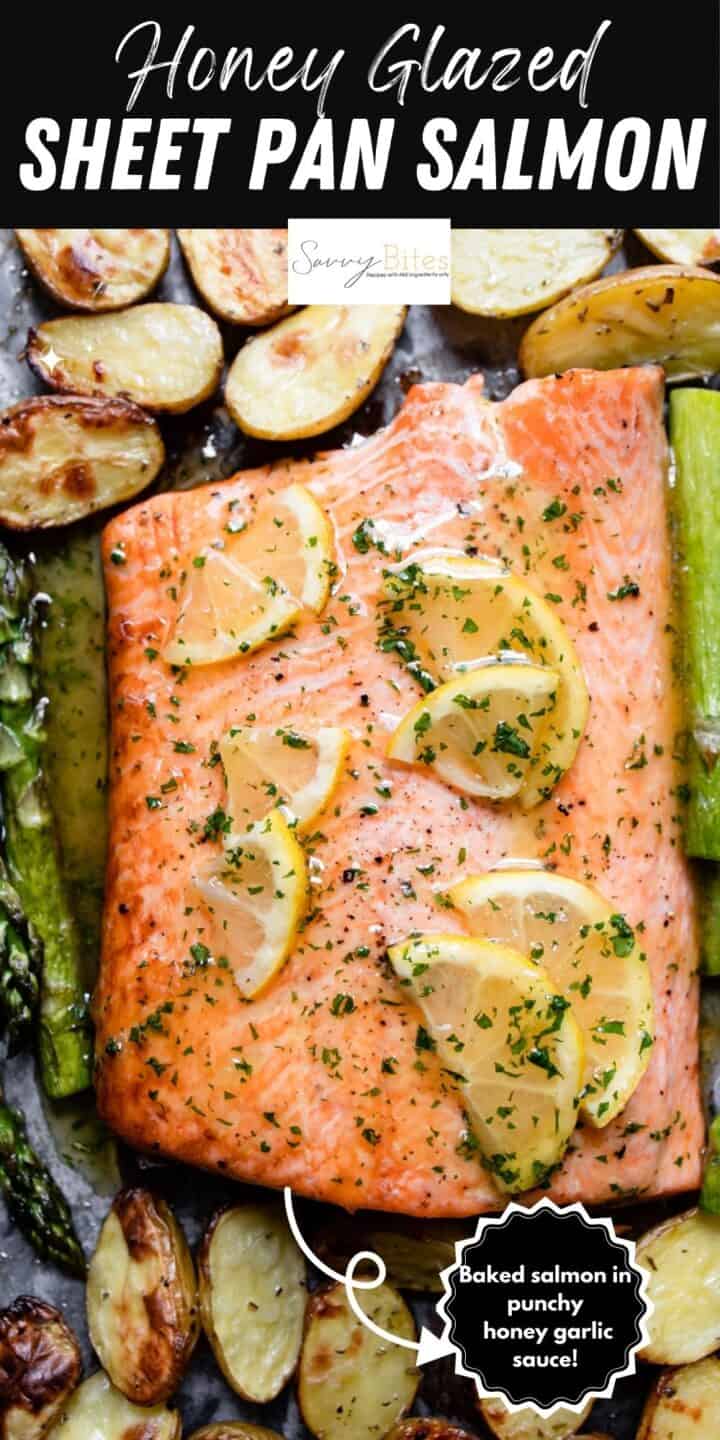
This honey garlic salmon tray bake is an easy all-in-one dinner with tender baked salmon, crispy roasted potatoes and asparagus, finished with a buttery honey garlic sauce. Everything cooks together on one tray, making it a brilliant low-effort dinner for busy weeknights.
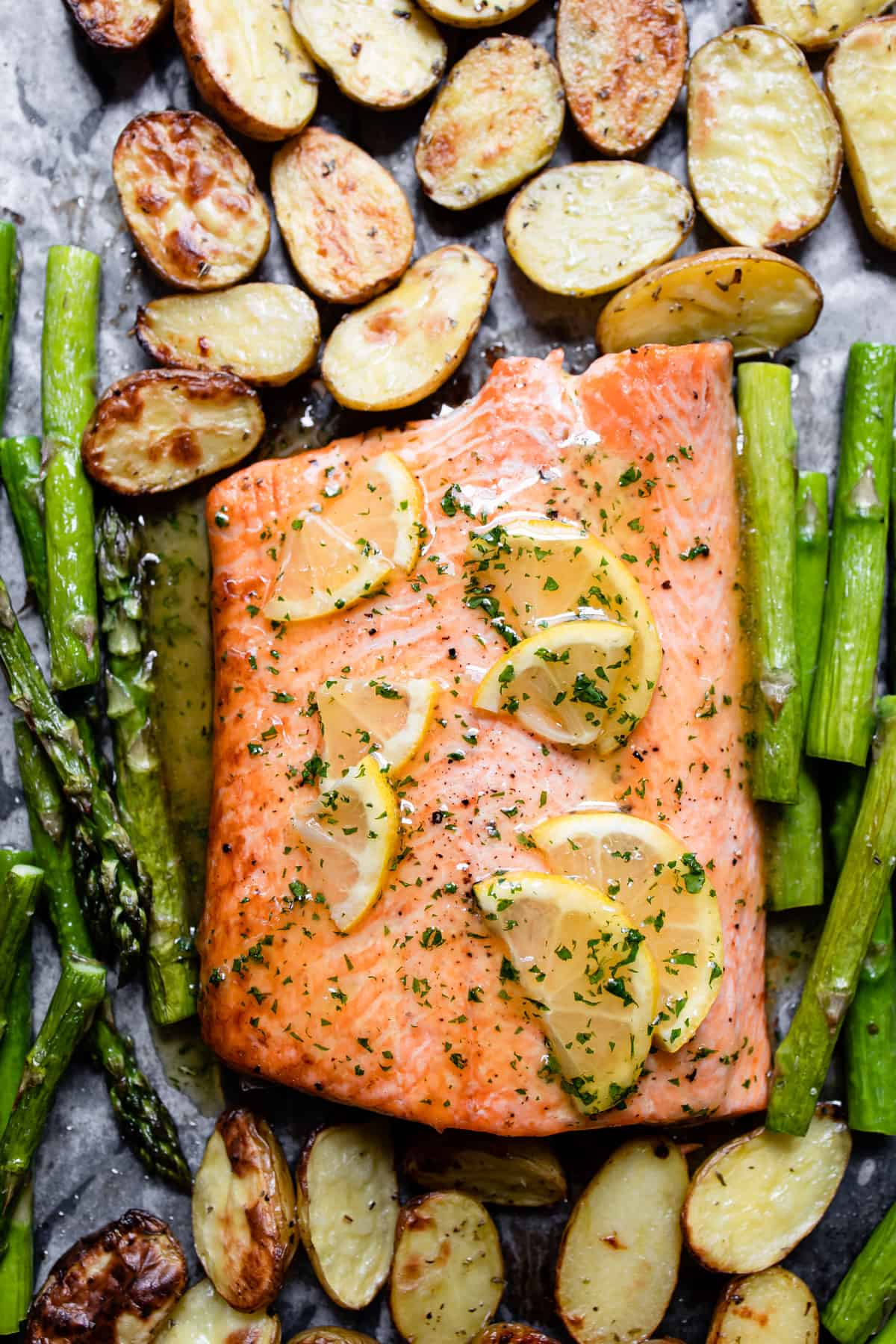
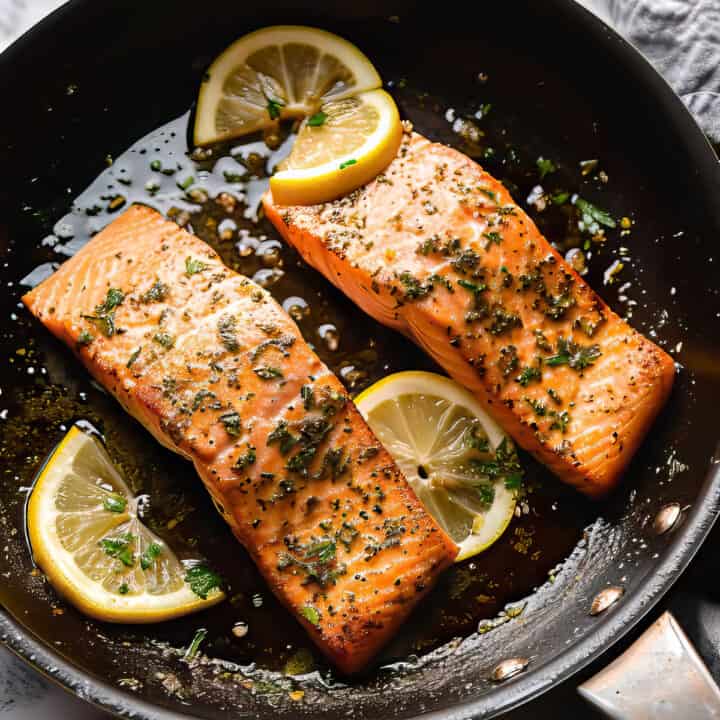
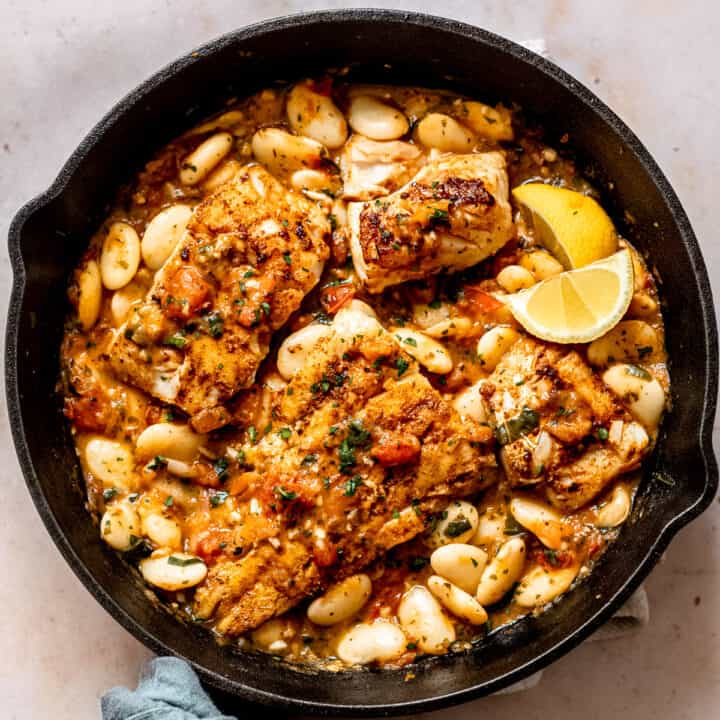
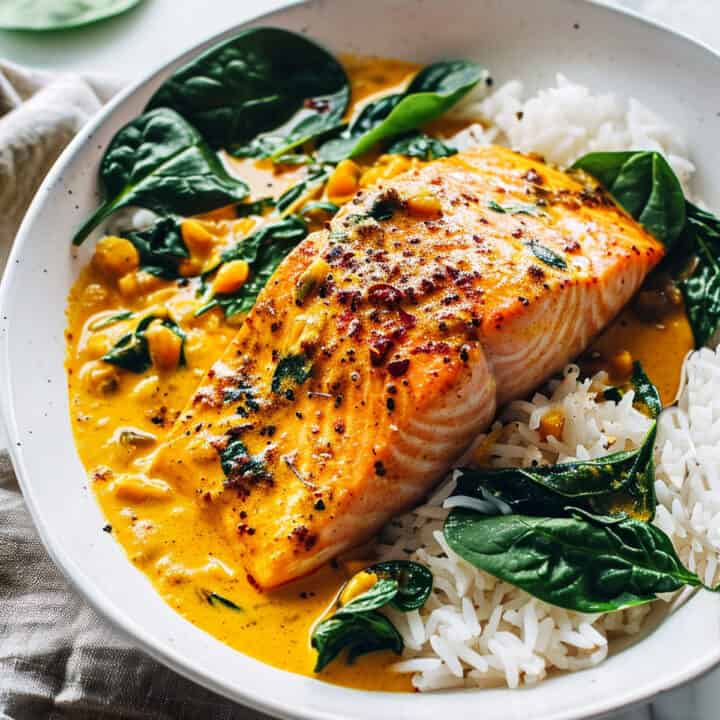
The honey garlic butter is what really makes this one—it’s sweet, savoury and garlicky with plenty of fresh lemon to cut through the richness of the salmon. If you love simple salmon dinners, try my pan-fried salmon with lemon and garlic or this creamy salmon curry next. For another easy one-pan fish dinner, my blackened cod is ready in just 30 minutes.
Why this Recipe works
Ingredients required
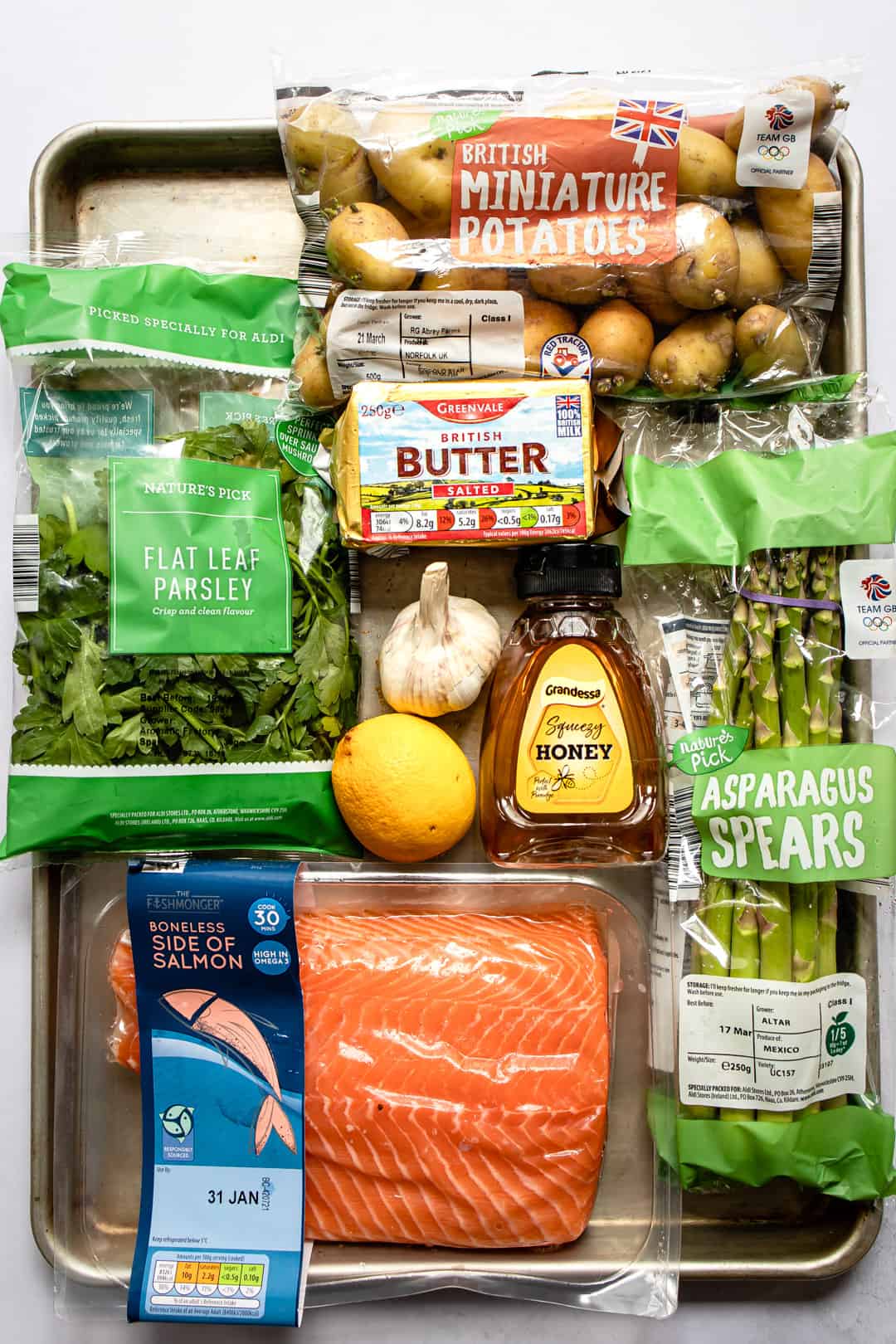
- Boneless salmon fillet: I prefer a skin-on salmon fillet for this recipe because the skin helps protect the fish from the heat of the baking tray, keeping the salmon moist and tender as it roasts. Skinless salmon works perfectly well too.
- Vegetables: I’ve used asparagus here because it roasts quickly alongside the salmon, but broccoli works well too. If you love dinners where the vegetables cook right alongside everything else, try my easy sausage tray bake next.
- Mini potatoes: Baby or new potatoes are ideal because they roast quickly and become crisp outside while staying fluffy in the middle. If you’re using larger potatoes, cut them into small, evenly sized pieces so they cook through at the same time as the salmon.
- Honey garlic sauce: Salted butter and honey create the base of the sauce, garlic adds plenty of savoury flavour, and fresh lemon cuts through the richness. Parsley adds freshness at the end.
- Olive oil, sea salt and pepper: A little olive oil helps the potatoes and vegetables roast and become golden around the edges, while salt and pepper season everything simply.
See the recipe card at the bottom of the post for exact quantities and full instructions.
How to make honey garlic salmon tray bake
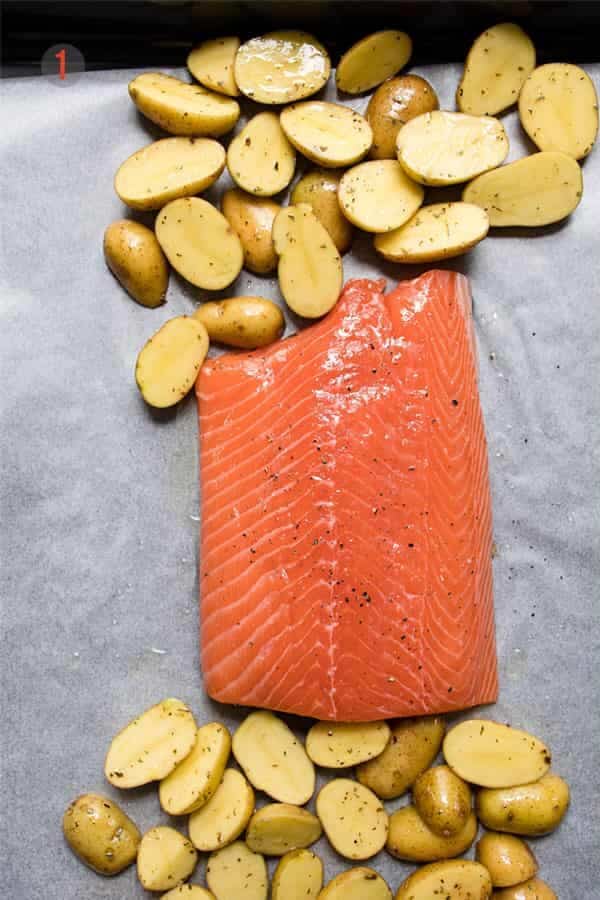
- Preparation: Preheat the oven to 200°C (380°F). Line a baking tray with parchment paper for a non-stick surface. Roast the potatoes for about 10 minutes to give them a head start before adding the salmon.
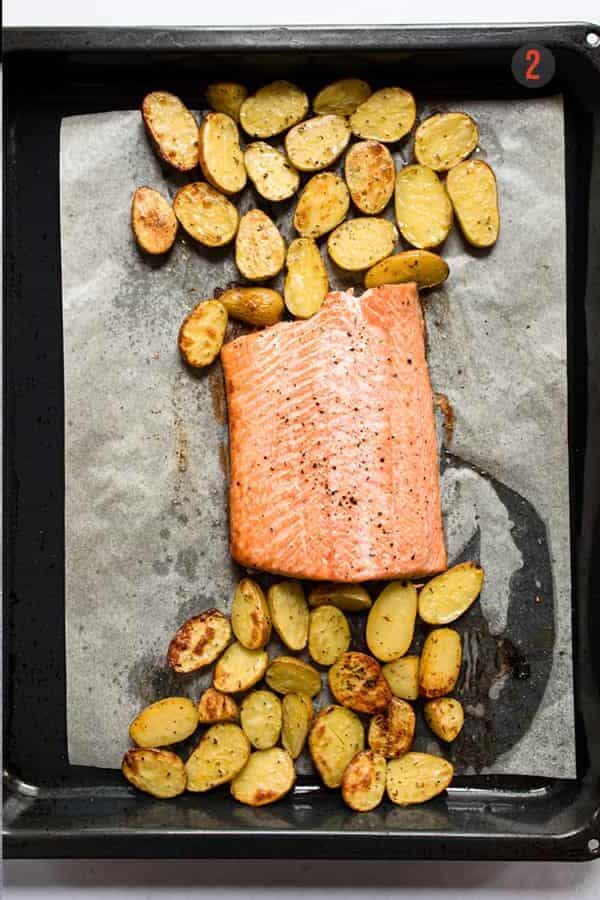
- Add the salmon: Pat the salmon dry and place it in the centre of the tray with the potatoes. Drizzle with olive oil and season with salt and pepper. Return the tray to the oven and roast for 5 minutes before adding the asparagus.
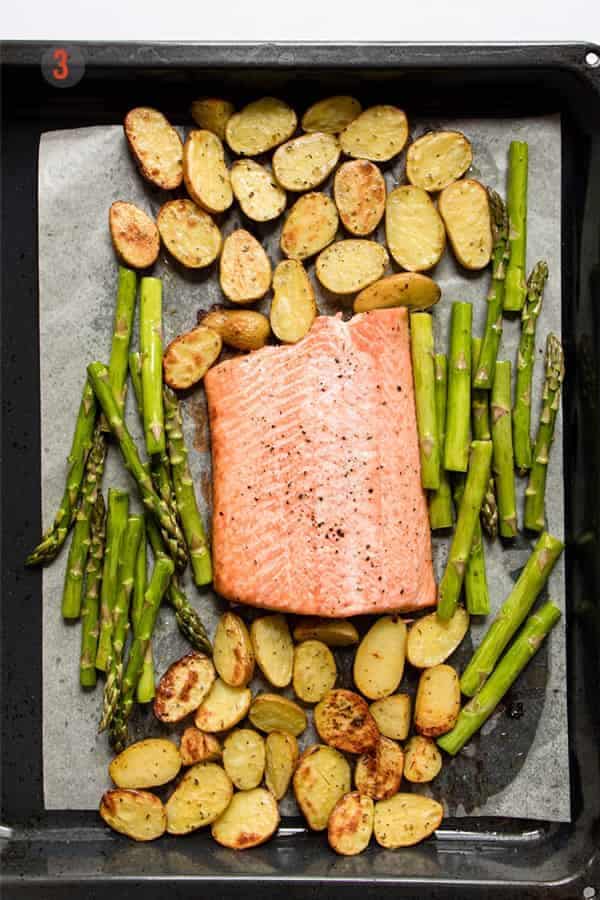
- Add the vegetables: Add the asparagus to the tray, drizzle with a little olive oil and season with salt and pepper. Return everything to the oven for another 10–15 minutes, or until the potatoes are tender and golden and the salmon is cooked through.
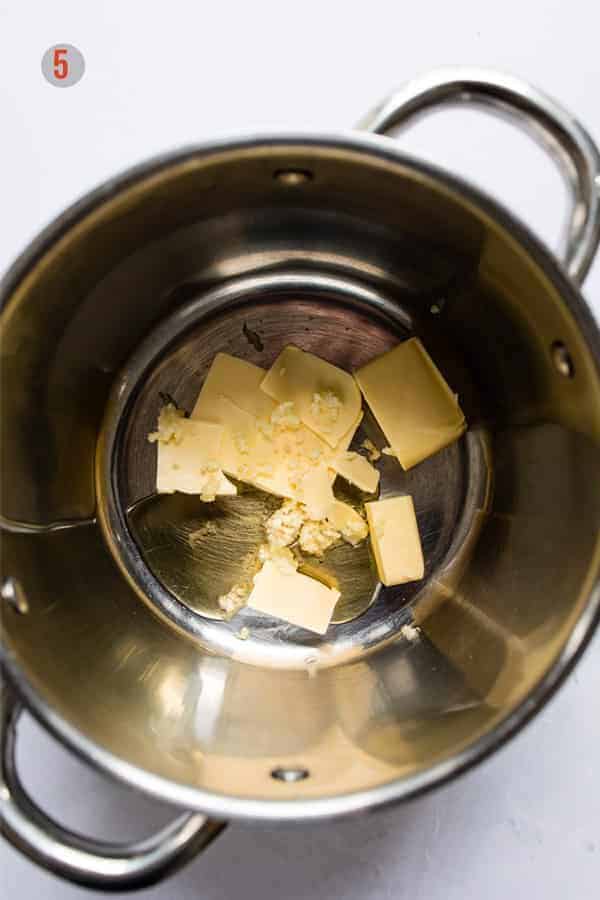
- Making the honey garlic butter sauce: Make the sauce while the salmon is baking by melting the butter and honey together in a pan with the garlic. Once the butter is melted, add the juice of ½ the lemon and the chopped parsley.
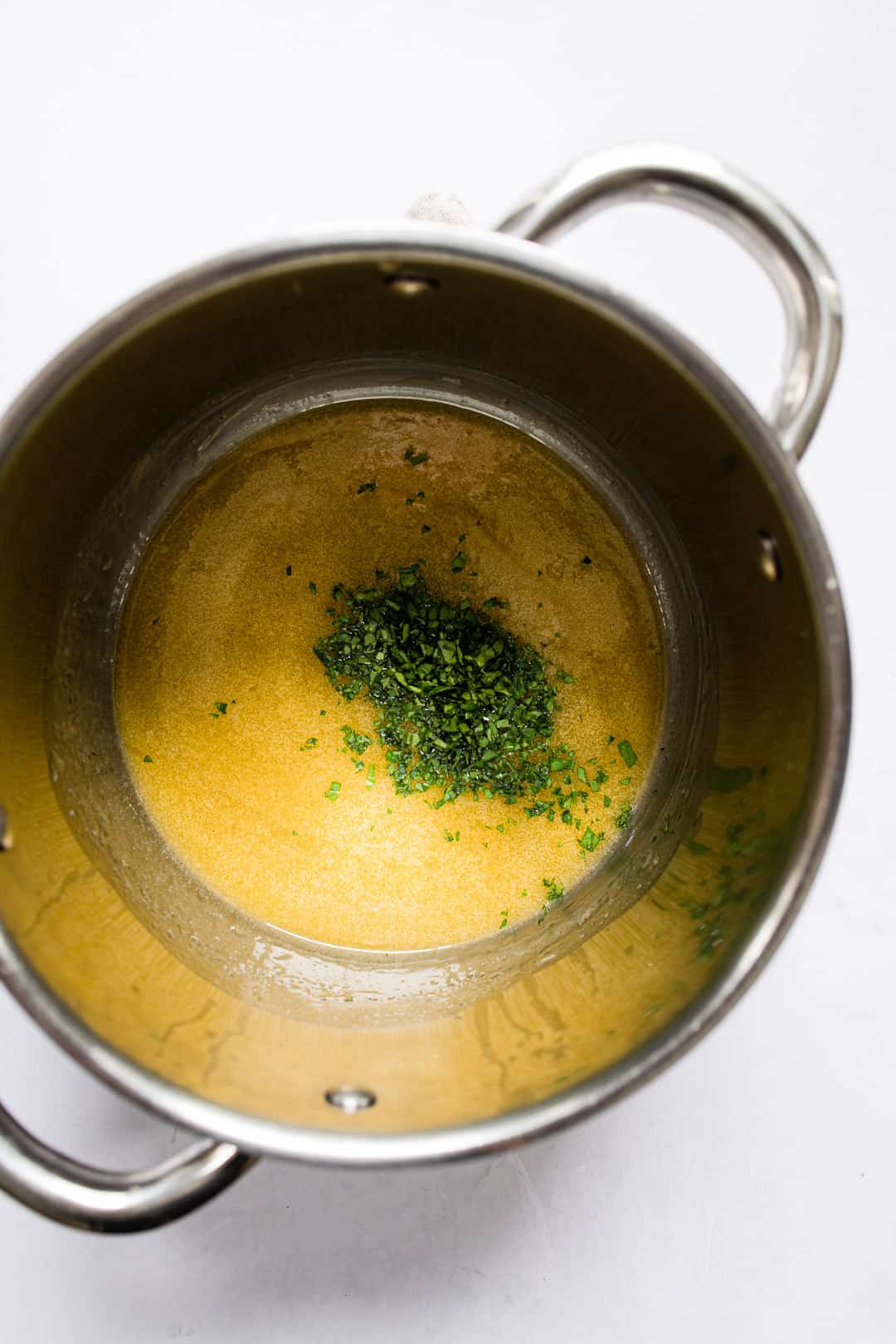
- Serving: Remove the salmon from the oven and drizzle with the hot honey garlic sauce once the salmon is baked. Top the salmon with some lemon slices and serve. Because this is a sheet pan dinner, I’m a big fan of just popping the tray in the middle of the table and letting everyone help themselves.

Chef’s Guide: Expert Tips
Here are a few simple tips, drawn from my training and kitchen experience, to help you get the best results every time.
- Don’t rely on cooking time alone: Salmon fillets can vary considerably in thickness, so use the cooking time as a guide rather than a rule. Check the thickest part of the fillet—the flesh should flake easily while still remaining moist in the centre.
- Uniform vegetable cutting: Cut your vegetables into uniform pieces to ensure they roast at the same rate, achieving an even texture and doneness.
- Give the potatoes a head start: Roast the potatoes for 10 minutes before adding the salmon. This gives them time to become golden and crisp outside while staying fluffy in the middle without overcooking the fish.
- Lemon zest: Add lemon zest to your honey garlic sauce for an extra citrus kick that brightens the overall flavour profile of the dish.
Variations and substitutions
- Vegetables: Asparagus cooks quickly, but broccoli, green beans or Brussels sprouts also work well. Adjust the cooking time depending on the vegetables you use.
- Potatoes: Baby or new potatoes are easiest, but larger potatoes work too—just cut them into small, evenly sized pieces so they cook quickly.
- Honey: Maple syrup is the best substitute for honey and will give the sauce a slightly deeper flavour.
- Fresh herbs: Swap the parsley for dill or chives, both of which work particularly well with salmon.
- Individual salmon fillets: You can use individual fillets instead of one larger piece of salmon. Keep an eye on them as they may cook slightly faster depending on their thickness.
What to do with leftovers
- Fridge: Store leftover salmon, potatoes and vegetables in an airtight container in the fridge for up to 3 days.
- Freezer: I don’t recommend freezing the complete tray bake because the texture of the potatoes and vegetables suffers after defrosting.
- Reheating: Cover loosely and reheat in a moderate oven until just hot. Avoid overheating the salmon, as it will quickly become dry.
Leftover salmon is also delicious served cold, flaked over a salad or stirred through pasta for an easy lunch.
FAQ’s
The easiest way to check salmon without a thermometer is to gently press the thickest part of the fillet with a fork. When it’s cooked, the flesh should separate easily along its natural lines while still looking moist in the centre. If you’re using a food thermometer, check the thickest part of the salmon and follow current food-safety guidance for the temperature you’re aiming for.
If the potatoes cook a little slower than the salmon, have no fear. Simply remove the salmon to a plate and place some foil over it to keep it hot while you place the potatoes back into the oven to finish roasting.
Yes, you can use frozen salmon. Thaw it completely in the refrigerator before use to ensure even cooking. Pat dry to remove excess moisture.
Yes. Broccoli, green beans, cauliflower and Brussels sprouts all work well, but their cooking times will vary. Add quicker-cooking vegetables later so they don’t become overcooked while the potatoes and salmon finish roasting.
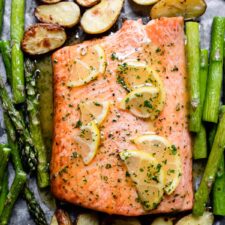
Honey Garlic Salmon Tray Bake With Potatoes
Ingredients
- 500 g (1 lb) boneless side of salmon, skin on or skinless
- 500 g (1 lb) baby new potatoes, halved
- 1 bunch asparagus, woody ends trimmed
- 4 tablespoons olive oil, divided
- sea salt and pepper to taste
For the honey garlic sauce
- 85 g (⅓ cup) salted butter
- 2 tablespoons honey
- 2 cloves garlic, finely chopped
- ½ bunch parsley chopped, finely chopped
- 1 lemon
Instructions
- Preheat the Oven: Preheat the oven to 200°C (180°C fan) and line a large baking tray with non-stick baking paper.
- Roast the Potatoes: Place the halved potatoes on the prepared tray. Drizzle with 2 tablespoons of olive oil, season with salt and pepper and toss to coat. Roast for 10 minutes to give the potatoes a head start.
- Add the Salmon: Pat the salmon dry with kitchen paper and place it in the centre of the tray with the potatoes arranged around it. Drizzle the salmon with 1 tablespoon of olive oil and season with salt and pepper. Return the tray to the oven for 5 minutes.
- Add the Asparagus: Arrange the asparagus around the salmon and potatoes. Drizzle with the remaining tablespoon of olive oil and season lightly with salt and pepper. Return the tray to the oven for 10–15 minutes, until the potatoes are golden and tender and the salmon is cooked through.
- Make the Honey Garlic Sauce: While the salmon finishes cooking, melt the butter and honey together in a small saucepan over medium-low heat. Add the garlic and cook for 1–2 minutes until fragrant, without letting it brown. Remove from the heat, then stir in the juice of half the lemon and the chopped parsley.
- Finish and Serve: Remove the tray from the oven and spoon the warm honey garlic butter generously over the salmon. Slice the remaining lemon into wedges and serve alongside.
Notes
- Check for Doneness: Salmon fillets vary in thickness, so use the cooking time as a guide. Check the thickest part of the fillet—the flesh should flake easily and remain moist in the centre.
- Using Frozen Salmon: Thaw frozen salmon completely in the fridge, then pat it thoroughly dry before cooking.
- Vegetable swaps: Broccoli, green beans or Brussels sprouts can be used instead of asparagus. Adjust the cooking time as needed depending on the vegetable.
Nutrition

If you tried any of these recipes, please let me know in the comments below, and leave a star rating while you’re there!
For more recipe ideas, follow us on Pinterest, Facebook, and Instagram, and join our exclusive Facebook group.
For meal planning help, check out our weekly Aldi-only meal plans, free for subscribers.
Craving more comfort food? Visit our sister site, Salted Mint, for easy, delicious recipes with everyday ingredients.

Meet the Chef!
Hi, I’m Debs, a Cordon Bleu-trained chef dedicated to helping you create unforgettable meals on a budget. Discover more about my journey and dive into a world of foolproof recipes designed for those who love to eat well without overspending.